
Intake
Customer shares the wardrobe need, occasion, sizing considerations, preferred palette, timeline, and any pieces that must be incorporated.
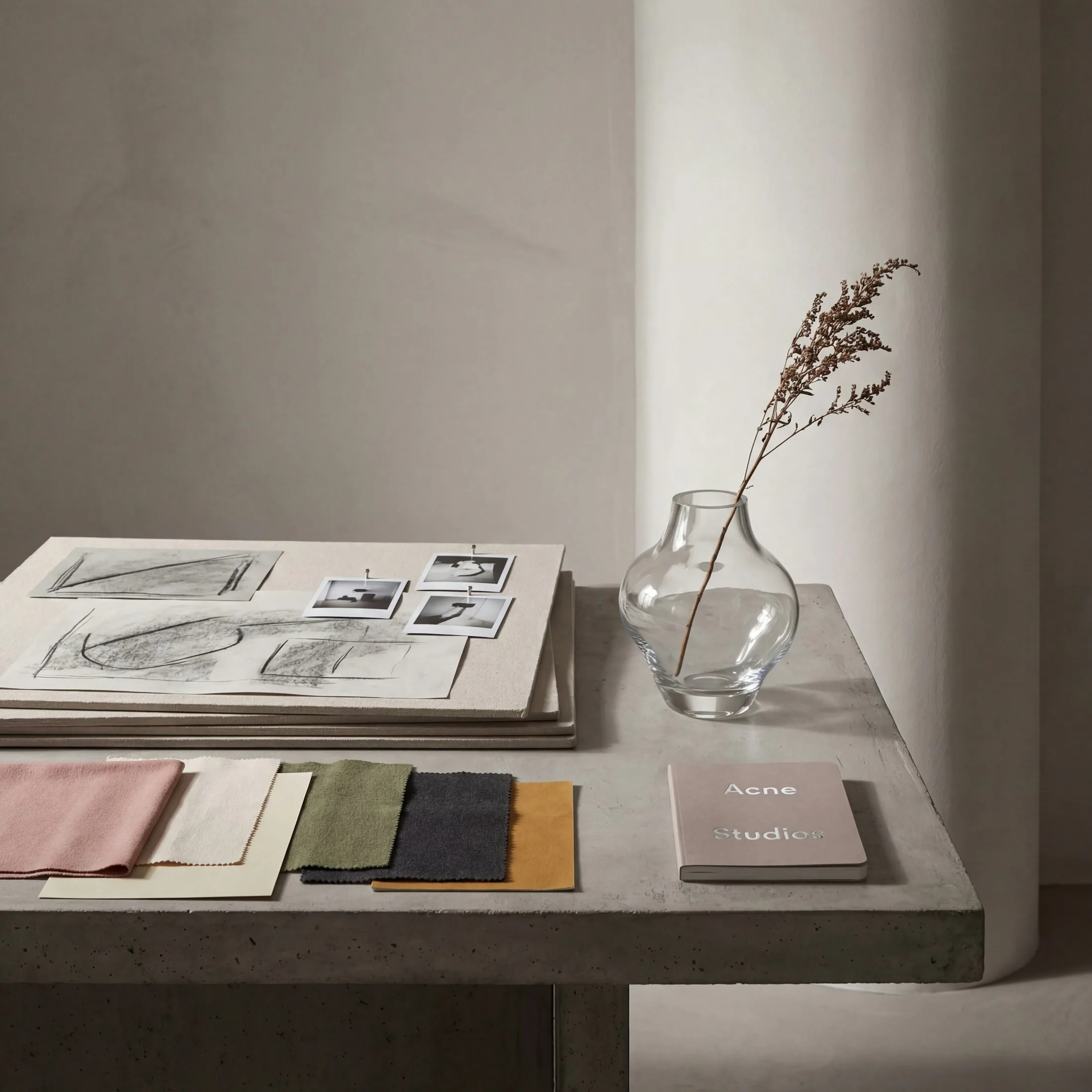
Curation process
The process keeps requests organized: understand the wardrobe need, review material and fit requirements, then recommend a concise apparel and accessory path.
Workflow
Each step is intended to remove guesswork while keeping the result personal and wearable.
Customer shares the wardrobe need, occasion, sizing considerations, preferred palette, timeline, and any pieces that must be incorporated.
Vivid Attire identifies the garment role: anchor piece, second texture, color note, or finishing accessory.
Fabric weight, drape, opacity, care needs, and repeat-wear value are reviewed before the recommendation is finalized.
The customer receives a focused direction with apparel categories, accessory guidance, and pairing notes.
Availability and next steps are confirmed by email, including any timing or substitution considerations.
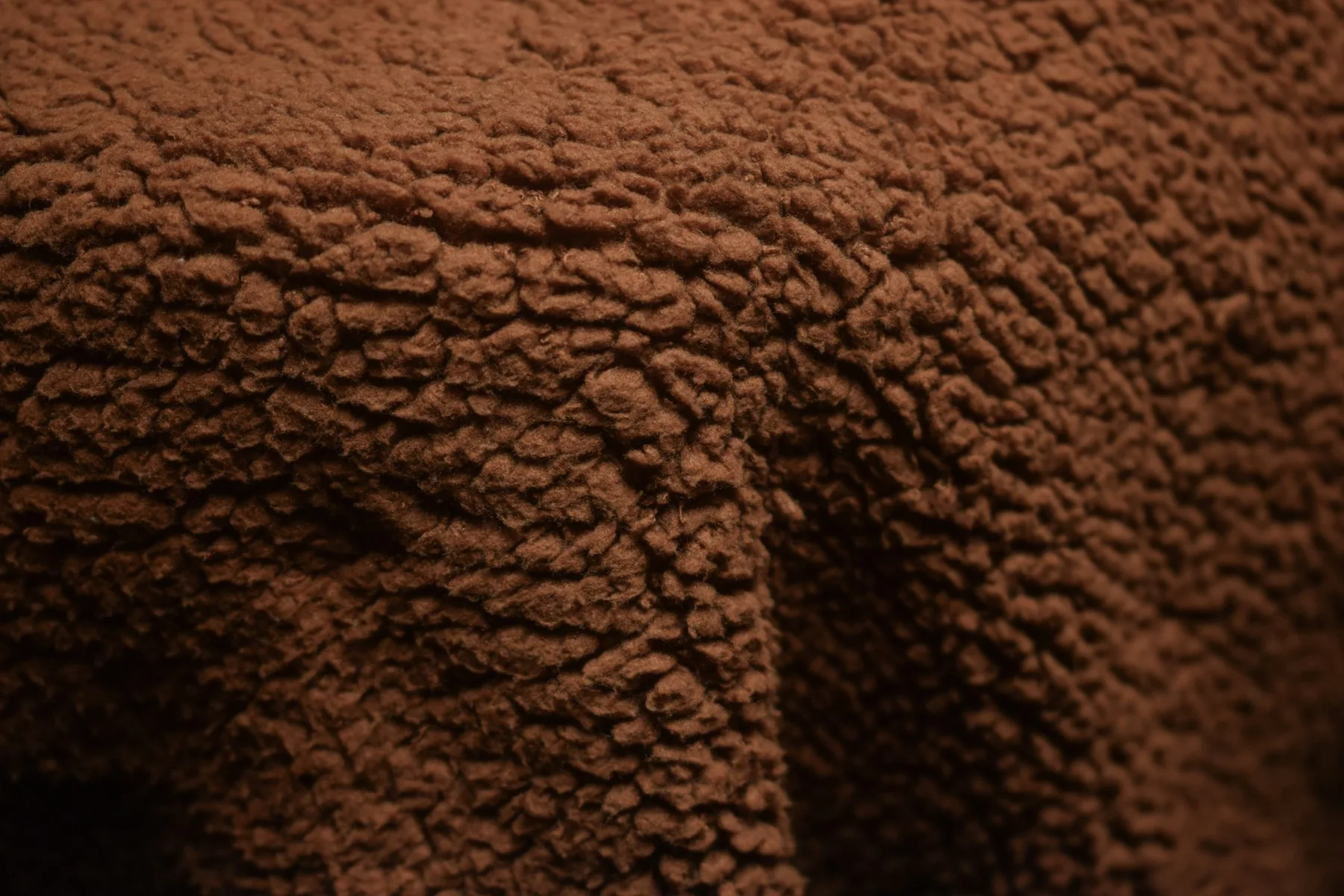
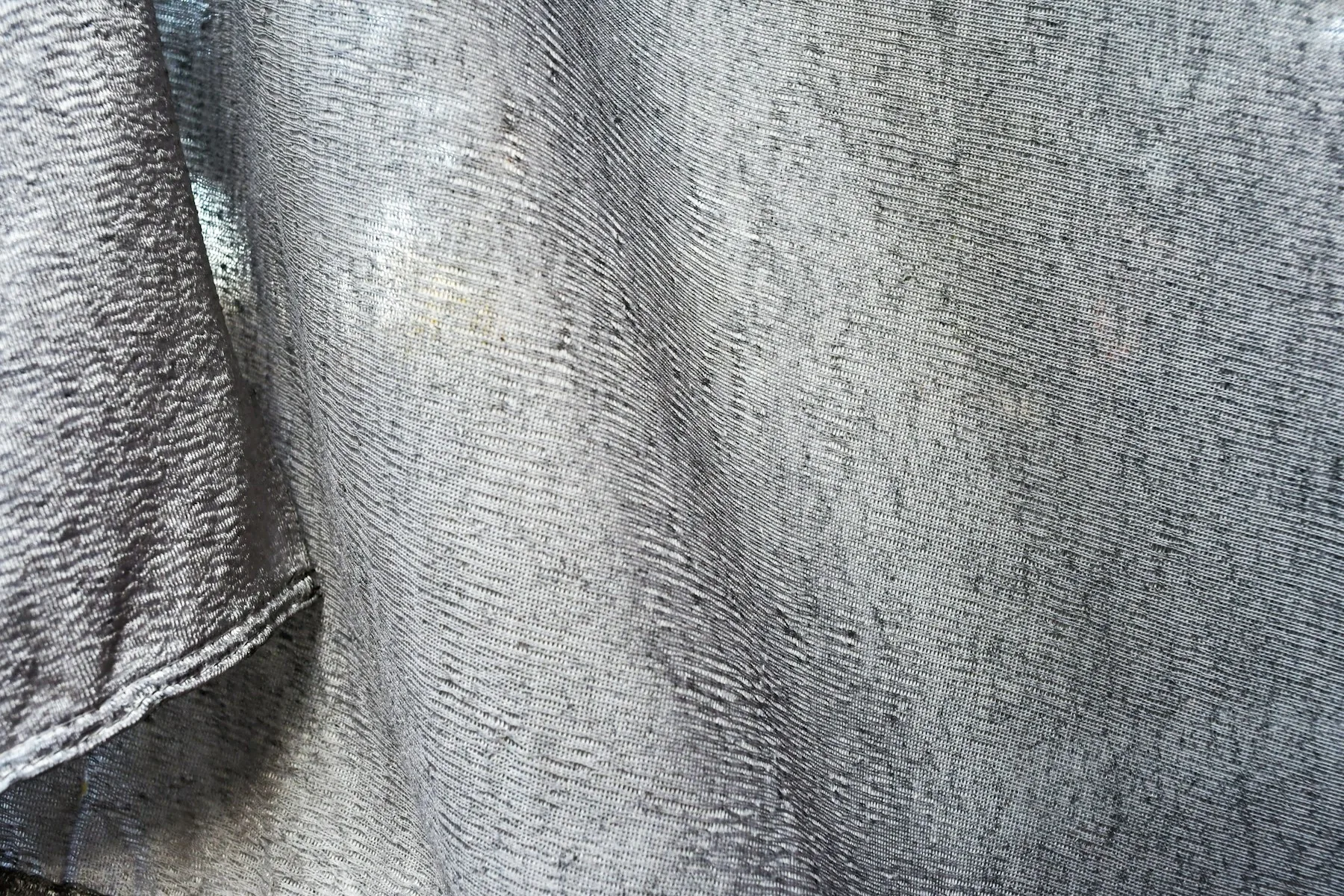
Material standards
The best garment is not only visually strong. It needs to hold shape, layer well, photograph cleanly, and feel comfortable enough for repeated use.
What to include
A concise inquiry can still be specific. These details help the team return a more useful apparel direction.
Share the current gap, common settings, preferred silhouettes, and what already works.
Include date, dress expectations, comfort needs, weather, and any movement requirements.
Note colors to avoid, heel height preferences, coverage needs, and accessory comfort.